In the article Teachers take to Twitter, it points out that "Google is a powerful search engine, but it’s not
nuanced the way Twitter is. Since searching Twitter is searching the minds of teachers.
It’s collective intelligence." I agree with it since I seldom find articles which are relevant to my academic assignments and research papers. However, Twitter networks provide
targeted feedback and resources from peers or a professional
network of colleagues all over the globe that other Internet tools like Google and message
boards cannot match.
Therefore, for myself I will use Twitter as an important tool to learn and teach. Beyond using it for lessons, I can trade ideas and insights regarding social networking in the classroom with like-minded professionals and other topics. The most important thing is that Twitter provides links from source which I can trust. I will also use Twitter in my future teaching to both my students and parents. For example, Parents who are interested in daily classroom activities can follow teacher tweets discussing some of the lessons learned and any progress on projects with one quick and handy trip to a dedicated Twitter feed. Students can leave questions that they didn't ask in the class on the Twitter. Other students can also help me to answer them. I can retweet articles, new stories and opinions relevant to a specific class as an excellent, convenient supplement to classroom lectures. So my students can well prepared before class and further learn according to their interests after my instructions.
In the article Teaching Twitter :The History of the Present. It points out that "Twitter is described frequently as a microblogging web site, which can also be accessed through internet-ready smart phones. " Therefore, I can keep in touch with my students anywhere and anytime and they can get my messages immediately. For example, if I need them to to read a useful link which I read just now before today's reading class, they can read it as soon as possible. Students can learn what is happening and search for relevant articles and answers on Twitter anywhere and anytime through smart phones. However, Twitter still has its limitation. Twitter is blocked in China. I believe Twitter is also blocked in some other countries. Therefore, not every educator and students can benefit from Twitter. But I hope some day people from all over the world can use this helpful tool in their daily life.


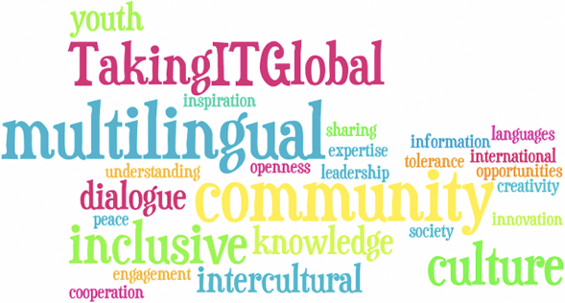
I really like TakingITGlobal which is also called TIG. "TIG uses an online social network aimed primarily at youth to raise awareness and discussion on a number of global issues and encourages youth to take action that affects their local and global communities. Often cited as “the world’s largest community for young people interested in positive change”, TIG’s membership has exceeded 230,000 active members from about 136 countries, as of February 2009." When I visited this website I found I could select language on the homepage. So I can encourage my future students and parents visit this website and learn from it. They can also discuss on the topics which they are interested in. I like the games section under Youth Media for my students. For example, there is a game called Win White House which is designed for elementary school, middle school, high school and even college. I tried to play this game and I found by discussing with others at this game, students not only extend their vocabularies, improve their reading skills and speech, but also they engage in the real world like education issues, politics, healthcare, retirement security, alternative energy and global corporation, etc. I always believe that the purpose of education is not just passing the exam and getting diplomas. I agree that "For years educators based the purpose of education on the definition by John Dewey, restated by Gene Carter , Executive Director and Chief Executive Officer of ASCD, " —that the general purpose of school is to transfer knowledge and prepare young people to participate in America's democratic society."
When I watched the video Alan Levine-New Media Consortium, it is my first time to realize the importance of building connections with colleagues in and beyond my field. It is true that "I can put out my ignorance to my colleagues. And then they can help me out through emails, blogs and RRS, etc." It is really important for me to be able to stay connected with people through social network; especially the technologies now change even when I am writing this blog.
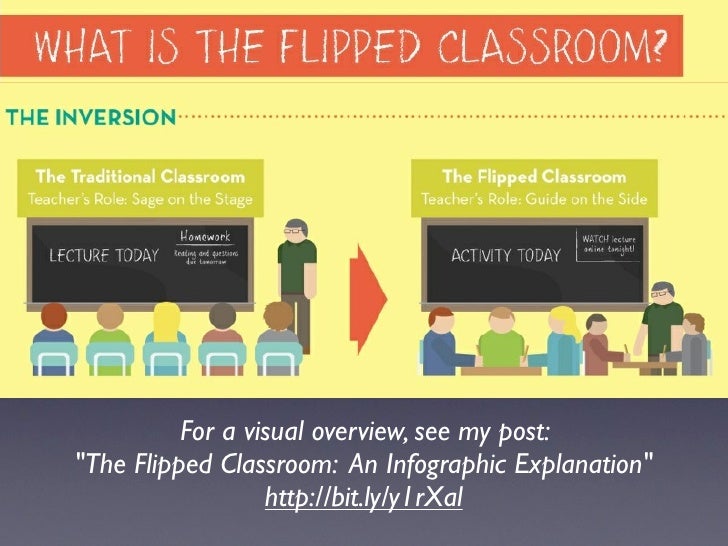
I join a group which explores what the flip can do to promote English language proficiency for ELLs and for ESL and EFL teachers and for mainstream educators with ELLs on Flipped Learning Network. It is also my first time to know what flipped classroom it is. "The flipped classroom is a pedagogical model in which the typical lecture and homework elements of a course are reversed. Short video lectures are viewed by students at home before the class session, while in-class time is devoted to exercises, projects, or discussions." I will definitely use flipped classrooms in my future teaching. Since my students can listen to my lectures at home and make notes according to their speed and understandings. Then we can practice more and I can answer their questions in the class. However, when I saw the discussions post on the forum of my group, I notice that some experienced teachers make a good point that there are real some limitations on teaching second language on flipped classrooms. Since the key of teaching second language is to interact with students. As language teachers we cannot just depend on giving related videos and lectures to students and let them learn at home. Moreover, there are so many distractions to study at home. We still need to interact with students in the class and do a lot of practices. Another concern is that teachers can answer students questions after they listening to flipped classrooms. But how about the students who don't listen to it before class? They will have no clues in the class and gradually lose interests and motivations on learning. Therefore, I feel it is so necessary for me to join in this kind of group that I can learn from experienced teachers on my field and adjust my teaching methods.

I fell that A learner is like an iOS system which should be updated all the time from reading Connectivism:
A Learning Theory for the Digital Age. "Our ability to learn what we
need for tomorrow is more important than what we know today. A real challenge
for any learning theory is to actuate knowledge at the point of
application. When knowledge, however, is needed, but not known, the ability to
plug into sources to meet the requirements becomes a vital skill. As knowledge
continues to grow and evolve. And access to what is needed is more important than
what the learner currently possesses." I am also in TESOL program. When I first took linguistic this course, I was shocked and a little bit frustrated. Because the phonetic symbols which I learned at the beginning of my English learning journey are much more different than nowadays'. I had to study phonetic symbols again on my master course. So just as the author said that "our ability to learn what we need for tomorrow is more important than what we know today."
I feel a learner is like a network after watching The Impact of Social Mediaon Learning. "Because our learning today is on forming networks with each other." "We need to externalize our thoughts in order to have the ability to connect with others." For example, when we have dialogues with experts from around the world or individual learners, we express ourselves to externalize our knowledge. As a result, our knowledge increases. I agree that nowadays we not only learn the knowledge which teachers bring into our brains, we also find answers by ourselves through internet. Another example is that when I made a trip plan for my dad's visit this year, I went to experienced travelers' blogs to see their traveling strategies. I also left questions on their blogs and reacted with them. Without this kind of connection, I will not have clues on our trip. And I don't think I can get answers from my professors and friends.